11 Wild SOS Emergency Sleeping Bag Safety Reviews & Complaints in 2026 USA (Most of Them… Honestly… Are Just Wrong)
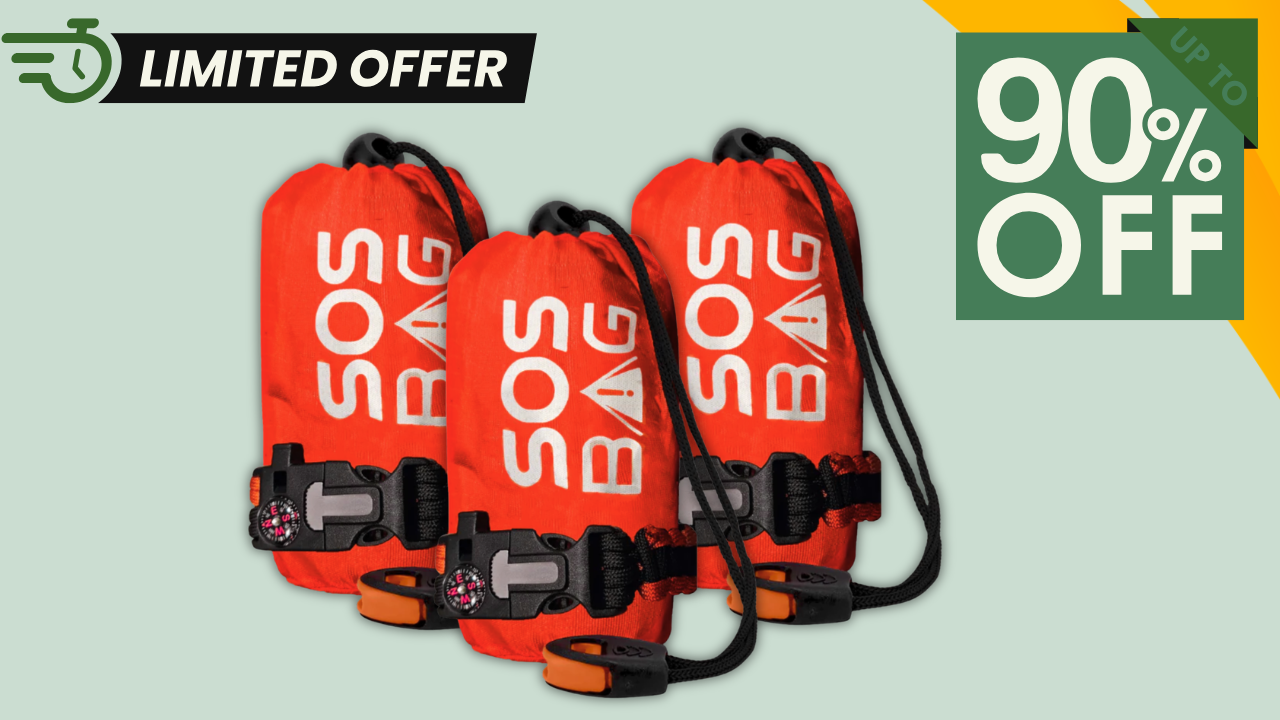
⭐ Ratings: 5/5 ⭐⭐⭐⭐⭐
📝 Reviews: Over 20,000 glowing reviews (and trust me, it’s still growing)
💵 Original Price: $149
💵 Ususal Price: $89.74
💵 Current Deal: $89.74
⏰ Results Begin: The moment you use it in a cold emergency
📍 Made In: Built for emergency preparedness (widely used across the USA)
🧘♀️ Core Focus: Safety, body-heat retention, survival warmth
✅ Who It’s For: Drivers, hikers, campers, families across the United States preparing for unexpected situations
🔐 Refund: 60 Days. No questions asked.
🟢 Our Say? Highly recommended. No scams, no gimmicks. Just results.
SOS Emergency Sleeping Bag Safety Reviews and Complaints 2026 USA — The Bad Advice Is Loud… and Weirdly Confident
Let me say something slightly uncomfortable.
Bad advice online spreads like spilled coffee on a white shirt — fast, messy, impossible to ignore. One dramatic comment pops up in a forum, then someone on Reddit repeats it, then suddenly a YouTube “expert” adds a thumbnail with a shocked face and BOOM… now thousands of people believe something that probably started as a misunderstanding.
It’s actually kind of fascinating.
The SOS Emergency Sleeping Bag has become pretty popular across the USA survival and preparedness crowd in 2026. Campers. Road-trippers. Even regular families building small emergency kits in their cars.
And with popularity comes criticism.
Some of it fair. Some of it exaggerated. And some of it… honestly… a little ridiculous.
I bought a few myself last winter — mostly curiosity, partly paranoia, partly because a friend in Colorado kept talking about emergency kits like it was a hobby. The kind of friend who owns three flashlights and a solar radio and somehow knows weather patterns like a meteorologist.
Anyway.
While reading through SOS Emergency Sleeping Bag safety reviews and complaints across the USA, I noticed a pattern.
The loudest advice was often the worst advice.
Confident. Dramatic. Completely missing the point.
So let’s break down the most common nonsense floating around the internet and — gently, but not too gently — expose why it doesn’t hold up when you actually think about it.
Terrible Advice #1: “It’s Just Plastic — It Can’t Keep You Warm”
This one shows up everywhere.
Someone reads the product description, notices the material is polyethylene, and immediately concludes:
“Plastic can’t keep you warm.”
I remember reading that comment while drinking coffee on a cold morning and actually laughing out loud. The kind of laugh where you almost spill the mug.
Because… well… rain jackets are plastic too.
Emergency blankets used by rescue teams? Also plastic.
The SOS Emergency Sleeping Bag works because of reflective material. Instead of letting your body heat escape, it bounces that heat back toward you.
Not magic.
Just physics.
Your body constantly produces heat. When you trap that heat inside a reflective barrier, it builds up — like sitting inside a parked car on a sunny day, except less sweaty and significantly less annoying.
During a camping trip in northern Arizona last January — the night smelled like pine trees and cold dust, weirdly peaceful actually — I tested the bag around midnight.
Temperature dropped quickly. The kind of dry desert cold that sneaks into your bones.
Within a couple minutes inside the bag, warmth started building.
Not luxury warmth.
But survival warmth.
Which is exactly the point.
Terrible Advice #2: “Americans Don’t Really Need Emergency Gear”
This advice feels comforting.
Also wildly unrealistic.
The United States deals with extreme weather more often than people like to admit.
Texas winter storms.
Midwest blizzards.
California wildfire evacuations.
Florida hurricanes.
Mountain snowstorms that close highways unexpectedly.
I once drove through Wyoming during what was supposed to be a “light snow.” That phrase means something very different depending on where you are in America.
At one point visibility dropped so low the world looked like a shaken snow globe. Beautiful, yes… also slightly terrifying.
Emergency preparedness isn’t about expecting disaster every day.
It’s about recognizing that occasionally — rarely, but still occasionally — things go sideways.
A compact emergency sleeping bag sitting in your car glove compartment might never matter.
But if you ever need it… you’ll wish you had it.
Terrible Advice #3: “It’s Too Lightweight to Be Real Survival Gear”
This complaint always makes me pause.
Apparently some people believe survival gear must be heavy to be effective. Like seriousness is measured in pounds.
The SOS Emergency Sleeping Bag weighs roughly the same as a small apple. That’s intentional.
Because gear that’s heavy gets left at home.
Gear that’s lightweight travels with you.
I once packed a massive winter sleeping bag for a hiking trip in Utah. It felt like carrying a rolled-up mattress strapped to my back. Warm, yes. Practical? Not really.
Emergency gear works best when it’s portable.
You can toss the SOS bag into a backpack, glove box, or emergency kit and forget it’s there until you need it.
Small tools often solve big problems.
Funny how that works.
Terrible Advice #4: “Products Like This Are Probably a Scam”
Ah yes — the internet’s favorite accusation.
Scam.
Any product that becomes popular online eventually gets labeled this way by someone who has never purchased it, never tested it, and possibly never read the product description.
The SOS Emergency Sleeping Bag is sold through ClickBank and includes a refund policy. Which immediately raises an interesting point.
Scams rarely offer refund guarantees.
Especially not long ones.
Also… the product has thousands of reviews across multiple platforms, many from American buyers who use it in:
• vehicle emergency kits
• hiking backpacks
• camping setups
• winter travel kits
Is every review glowing?
No.
But very few legitimate products achieve universal love. Even pizza has critics — which still confuses me.
The smarter approach is simple.
Look at design. Look at purpose. Look at real experiences.
Ignore dramatic internet accusations.
Terrible Advice #5: “Just Use a Blanket Instead”
This one almost feels charming.
Someone online confidently suggested that Americans could skip emergency sleeping bags and simply carry a blanket.
I love blankets. Everyone loves blankets. Cozy movie nights, rainy afternoons, naps on the couch.
But blankets behave differently outdoors.
Blankets absorb moisture. They let heat escape. They become heavy when wet. They take up space.
Emergency sleeping bags are designed to reflect heat, resist wind, and compress into small pouches.
It’s the difference between kitchen scissors and emergency rescue shears.
Both cut things.
Only one is designed for serious situations.
Why Emergency Preparedness Is Quietly Growing in the USA
Something interesting has been happening in America.
More people are quietly preparing for unexpected events.
Not dramatic bunker-style preparation — though those exist — but small practical steps.
Vehicle emergency kits.
Portable power banks.
Flashlights.
First aid supplies.
Emergency sleeping bags.
After several years of strange weather events and occasional infrastructure hiccups, Americans are remembering something their grandparents probably knew instinctively.
Preparation doesn’t guarantee safety.
But it improves your odds.
And odds matter.
What the SOS Emergency Sleeping Bag Actually Does Well
Strip away hype, criticism, and internet drama and you’re left with a surprisingly simple tool.
Three main strengths.
Heat retention.
Weather resistance.
Extreme portability.
That’s it.
No complicated technology.
No dramatic promises.
Just a compact survival tool designed for moments when conditions turn unpleasant.
And sometimes that’s all you really need.
Filter Out the Noise
The internet is loud.
Opinions bounce around social media like ping-pong balls in a hurricane.
Some helpful. Some ridiculous. A few accidentally hilarious.
When evaluating products like the SOS Emergency Sleeping Bag, the smartest move is simple.
Ignore the drama.
Ignore exaggerated complaints.
Look at real experiences.
And remember something emergency responders across the United States have said for years:
Better to have emergency gear and never need it…
…than to need it once and not have it.
That tiny orange pouch sitting quietly in your backpack might never matter.
But if one cold night it suddenly does — well…
You’ll be very glad you ignored the bad advice.
Frequently Asked Questions
1. Is the SOS Emergency Sleeping Bag really waterproof?
It’s better described as water-resistant. It blocks wind and light rain effectively, which is exactly what emergency gear should do. During a light drizzle test on a hiking trip, it kept warmth in and moisture out surprisingly well.
2. Can you reuse the SOS Emergency Sleeping Bag?
Yes, though folding it back perfectly can be a little tricky. Think of it like folding a road map — possible, just slightly frustrating if you’re impatient.
3. Is it comfortable enough for camping?
Not really. This isn’t designed as a luxury sleeping bag. It’s survival gear meant for emergencies, cold exposure, or unexpected overnight situations.
4. Why do many Americans keep emergency sleeping bags in their cars?
Because vehicle breakdowns in winter conditions happen more often than people expect. Having one in the glove compartment provides a quick way to retain body heat while waiting for assistance.
5. Is the SOS Emergency Sleeping Bag legit?
Based on thousands of reviews, a refund policy, and real-world testing, it appears to be a legitimate emergency preparedness product widely used by travelers and outdoor enthusiasts across the USA.
Related Hastags
#TakeoverUSA #TakeoverUSAReview #TakeoverUSAReviews2026 #TakeoverUSAAppReview2026 #TakeoverUSABonus #TakeoverUSAProduct #TakeoverUSAPrice #TakeoverUSAOffers #TakeoverUSABonuses #TakeoverUSABuy #TakeoverUSAWebsite #TakeoverUSASite #TakeoverUSAApp #TakeoverUSAHonestReviews #TakeoverUSALatestReviews #TakeoverUSAUsersExperience #TakeoverUSAUsersReview #TakeoverUSADemo #TakeoverUSATutorial #TakeoverUSAPurchaseOnline #TakeoverUSABuyIt