How to Improve Sleep Quality With The Guide to Self-Hypnosis Reviews and Complaints 2026
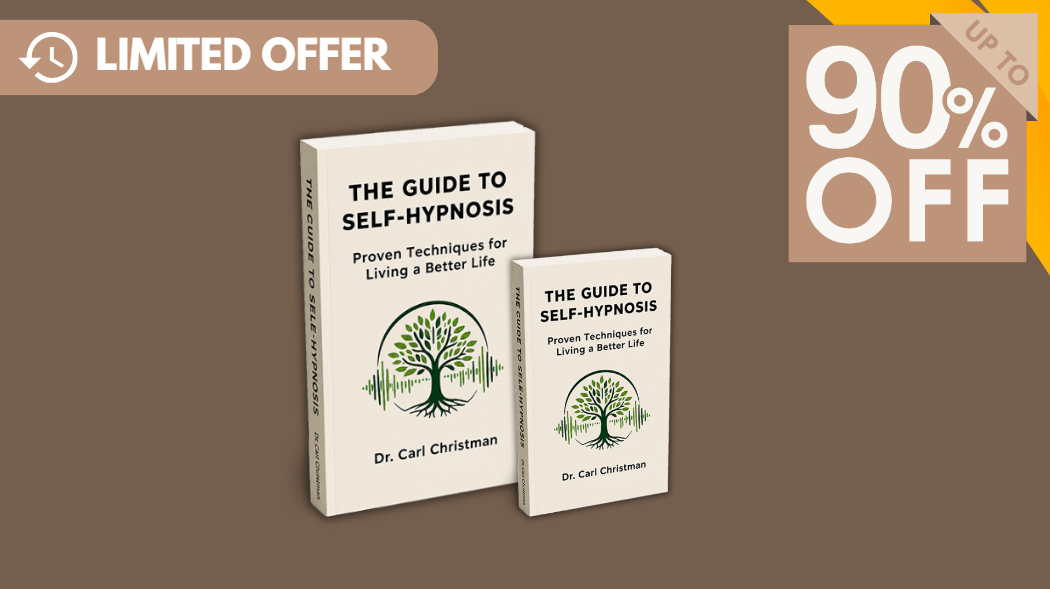
⭐ Ratings: 4.8/5 ⭐⭐⭐⭐⭐
📝 Reviews: Readers are exploring self-hypnosis for relaxation, sleep support, and better daily habits
💵 Original Price: $149
💵 Usual Price: $29.95
💵 Current Deal: $19.95
⏰ Results Begin: Instant digital access after purchase
📍 Made In: Digital program available online
🧘 Core Focus: Sleep support, relaxation, stress relief, confidence, and personal growth
✅ Who It’s For: People who want simple self-hypnosis techniques and better sleep habits
🔐 Refund: 60-Day 100% Money-Back Guarantee
🟢 Our Say: A practical guide for people who want to learn self-hypnosis and create calmer routines.
The Sleep Problem Many People Try To Fix The Wrong Way
Many people search for how to improve sleep quality with The Guide to Self-Hypnosis Reviews and Complaints because they feel stuck.
They feel tired.
They want rest.
But their mind stays active.
They try many solutions.
They buy new pillows.
They change their bedroom.
They avoid coffee at night.
They listen to relaxing sounds.
Some changes help.
But many people still struggle.
Why does this happen?
Because sleep is not only about the body.
Your mind also plays an important role.
A tired body can still stay awake when your thoughts keep moving.
This simple fact changes how we understand sleep problems.
The important question becomes:
Can learning to calm your mind help create a better sleep routine?
Featured Answer: Can Self-Hypnosis Help Improve Sleep Quality?
Self-hypnosis may help improve sleep quality by teaching relaxation skills. It uses focused attention, breathing, guided imagery, and positive suggestions. These methods may help people create a calmer bedtime routine and prepare their mind for rest.
The First Fact: A Calm Mind Supports Better Sleep
Let us start with something simple.
A relaxed person usually finds it easier to rest.
Think about nights when you felt peaceful.
You probably fell asleep more easily.
Now think about stressful nights.
Your body was in bed.
But your thoughts kept running.
You thought about work.
You planned tomorrow.
You remembered problems.
Your brain stayed active.
This does not mean thinking is bad.
Thinking is normal.
The issue comes when your mind does not get time to slow down.
A calm bedtime routine can help create better conditions for sleep.
This is why many people explore sleep relaxation techniques.
They want to give their mind a signal.
The signal is simple.
“It is time to rest.”
The Second Fact: Your Brain Builds Habits Through Repetition
The next fact is about habits.
People learn through repetition.
You repeat actions.
Your brain remembers patterns.
Think about driving a car.
At first, every step requires attention.
Later, it becomes natural.
Sleep routines work in a similar way.
Your brain connects repeated actions with certain feelings.
If every night includes stress, your brain may connect bedtime with worry.
If every night includes calm habits, your brain may connect bedtime with relaxation.
This does not happen in one day.
Practice matters.
Consistency matters.
That is why self-hypnosis for better sleep focuses on regular practice.
The goal is not forcing sleep.
The goal is preparing your mind.
The Third Fact: Self-Hypnosis Is Not Mind Control
Many people misunderstand hypnosis.
They think it means losing control.
They imagine stage performances.
They imagine someone controlling their thoughts.
That idea creates fear.
But self-hypnosis works differently.
Self-hypnosis means guiding your own attention.
You stay aware.
You choose what you focus on.
You use relaxation.
You use imagination.
You use calm thoughts.
It works like a mental exercise.
You practice directing your attention.
You do not give control to someone else.
This removes one of the biggest myths about hypnosis.
The Biggest Skeptic: Someone Who Thinks Nothing Will Work
The most resistant person is not someone who dislikes sleep solutions.
It is someone who tried everything.
They bought products before.
They followed advice before.
They still had poor sleep.
Their belief becomes:
“Nothing can help me.”
This belief usually comes from disappointment.
They are not rejecting self-hypnosis.
They are protecting themselves from another failure.
But they may be asking the wrong question.
The question is not:
“Will this fix my sleep overnight?”
The better question is:
“Can learning relaxation skills improve my bedtime routine?”
That question starts with facts.
Skills improve with practice.
Relaxation can be learned.
Attention can be trained.
Habits can change.
The Guide to Self-Hypnosis Review: What Does It Teach?
The Guide to Self-Hypnosis by Dr. Carl Christman focuses on learning practical self-hypnosis methods.
The guide does not present hypnosis as magic.
It explains the process.
Readers learn:
- What hypnosis really means
- How focused attention works
- How relaxation prepares the mind
- How guided imagery supports practice
- How suggestions can support personal goals
- How to create personal sessions
The guide also includes guided hypnosis sessions.
These sessions focus on:
- Sleep and relaxation
- Stress support
- Confidence and self-esteem
- Motivation
- Healthy habits
- Breaking unwanted patterns
The approach is simple.
It does not require special equipment.
It focuses on learning a skill.
How Self-Hypnosis May Support Better Sleep
Now we can connect the facts.
A relaxed body supports rest.
The brain learns through repetition.
Relaxation skills improve through practice.
These ideas create a simple conclusion.
People can train their mind before bedtime.
Self-hypnosis uses methods like breathing, imagery, and focused attention.
These methods help create a calmer mental state.
The goal is not forcing sleep.
The goal is creating better conditions for sleep.
A person who practices relaxation may feel more prepared for bedtime.
Why People Search For The Guide to Self-Hypnosis Reviews and Complaints
People looking for reviews usually want honest answers.
They want to know what they are buying.
They want to know if the guide matches their needs.
Common questions include:
“Is this worth trying?”
“Will I actually use it?”
“Can this fit my routine?”
These are reasonable questions.
Every person has different sleep habits.
Every person has different challenges.
A self-help guide cannot create identical results for everyone.
The value comes from learning the method.
Then using the method consistently.
The Guide to Self-Hypnosis is designed as an educational resource.
It gives people tools they can practice.
Building A Better Sleep Routine Step By Step
Improving sleep quality does not always require a huge change.
Small actions can matter.
A simple bedtime routine may include:
- Creating a quiet space
- Reducing screen distractions
- Practicing slow breathing
- Relaxing your body
- Using calming images
- Repeating positive suggestions
These actions tell your brain something important.
The day is ending.
It is time to slow down.
Your brain responds to repeated signals.
A peaceful routine can become familiar over time.
Why Self-Hypnosis Is Different From Quick Fixes
Many people search for instant answers.
They want something that works immediately.
That desire is understandable.
But real habits usually take time.
Learning a skill requires practice.
Self-hypnosis follows this idea.
It teaches a process.
It provides exercises.
It allows people to practice at their own pace.
Instead of searching for another quick solution, people can learn a method.
That difference matters.
Improving Sleep Starts With Understanding The Mind
Sleep problems are not always simple.
Many factors can affect sleep.
Stress.
Daily habits.
Thought patterns.
Bedtime routines.
This is why understanding your mind matters.
A person who learns relaxation skills gains another tool.
They learn how to slow down.
They learn how to create calm moments.
They learn how to prepare for rest.
The Logical Conclusion: Can The Guide To Self-Hypnosis Help Improve Sleep Quality?
The facts are simple.
Your mind affects your bedtime experience.
Relaxation can support a calmer state.
Habits become stronger through repetition.
Skills improve through practice.
Self-hypnosis combines these ideas into one approach.
The Guide to Self-Hypnosis Reviews and Complaints show why many people explore this method for sleep support.
It is not a magic promise.
It is a learning tool.
It teaches practical self-hypnosis techniques that may help people create better sleep routines.
If racing thoughts keep you awake, explore The Guide to Self-Hypnosis today and see if these relaxation techniques fit your nightly routine.
Frequently Asked Questions
1. What Is The Guide To Self-Hypnosis?
The Guide to Self-Hypnosis is a digital book created by Dr. Carl Christman.
It teaches self-hypnosis methods using relaxation, focus, guided imagery, and positive suggestions.
2. Can Self-Hypnosis Improve Sleep Quality?
Self-hypnosis may support better sleep habits.
It helps people practice relaxation before bedtime.
3. Is Self-Hypnosis Like Mind Control?
No.
Self-hypnosis does not mean losing control.
It helps people guide their attention and practice relaxation.
4. What Comes With The Guide To Self-Hypnosis?
The guide includes the digital book, exercises, and six guided hypnosis sessions.
These sessions focus on sleep, stress, confidence, motivation, and habits.
5. How Much Does The Guide To Self-Hypnosis Cost?
The current deal price is $19.95.
Related Hastags
#TheGuideToSelfHypnosis #TheGuideToSelfHypnosisReview #TheGuideToSelfHypnosisReviews2026 #TheGuideToSelfHypnosisAppReview2026 #TheGuideToSelfHypnosisBonus #TheGuideToSelfHypnosisProduct #TheGuideToSelfHypnosisPrice #TheGuideToSelfHypnosisOffers #TheGuideToSelfHypnosisBonuses #TheGuideToSelfHypnosisBuy #TheGuideToSelfHypnosisWebsite #TheGuideToSelfHypnosisSite #TheGuideToSelfHypnosisApp #TheGuideToSelfHypnosisHonestReviews #TheGuideToSelfHypnosisLatestReviews #TheGuideToSelfHypnosisUsersExperience #TheGuideToSelfHypnosisUsersReview #TheGuideToSelfHypnosisDemo #TheGuideToSelfHypnosisTutorial #TheGuideToSelfHypnosisPurchaseOnline #TheGuideToSelfHypnosisBuyit