MigraClarity Reviews and Complaints 2026: Is It Worth It?
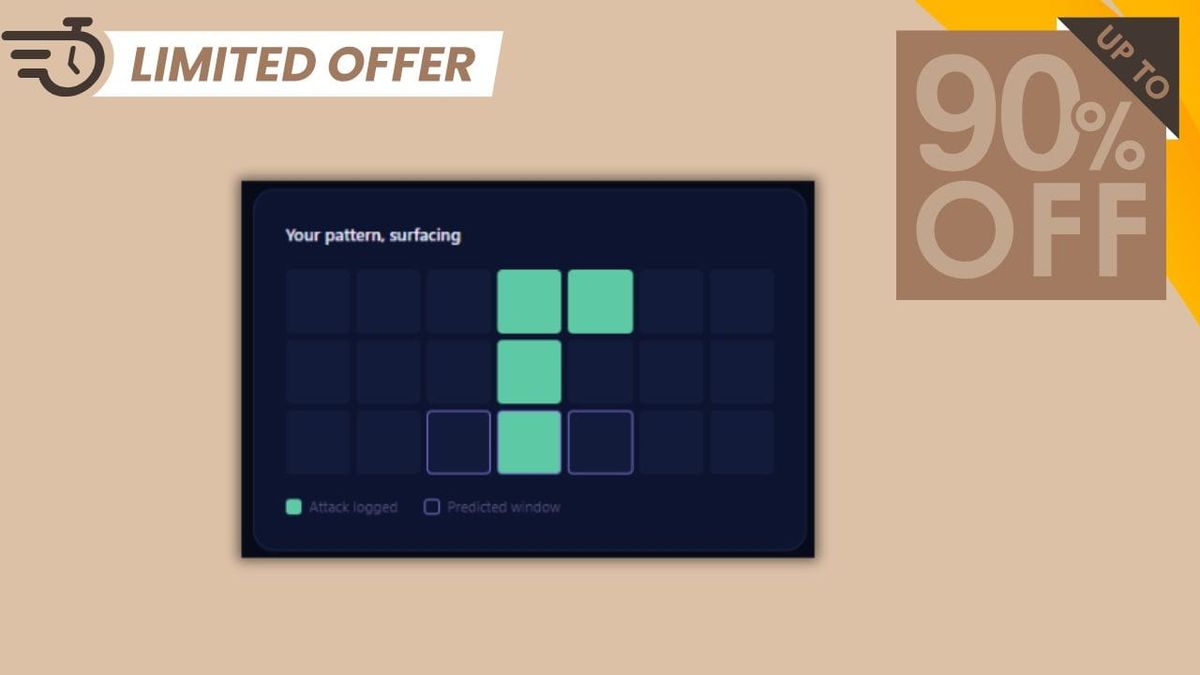
MigraClarity Reviews and Complaints 2026: Is It Worth It?
⭐ Verified Public Rating: No confirmed public rating currently exists
📝 Verified Review Count: No reliable public total currently exists
💵 Free Plan: $0 forever with advertisements
💵 Pro Monthly: $9.99 each month
💵 Pro Annual: $79.99 each year
💵 Lifetime Access: $99.99 as one payment
🎁 Free Trial: 14 days on paid plans
⏰ Results Begin: Patterns may appear after regular tracking
🌐 Platform Type: Browser-based migraine tracking tool
🧠 Core Focus: Triggers, treatments, patterns, and doctor reports
✅ Best For: Adults with regular migraine attacks
📄 Main Benefit: Clear PDF reports for medical visits
🔐 Refund Policy: No clear refund promise appears
🟢 Our Say: Test the free plan before paying
You are completely right that another migraine app may feel pointless.
You may have tried trackers that created charts without useful answers.
You may have logged symptoms, then stopped after several tiring days.
You may also distrust reviews that sound copied from sales pages.
Your strongest objection probably sounds exactly like this:
“Why should I pay for another tracker that cannot stop migraines?”
That concern is fair, direct, and based on real frustration.
MigraClarity does not cure migraine or replace medical treatment.
It also cannot promise perfect predictions from limited personal data.
No honest MigraClarity review should claim anything beyond those limits.
But that objection also reveals the right way to judge MigraClarity.
A tracker should not be judged like medicine.
It should be judged by the clarity it creates.
MigraClarity becomes worthwhile when it reduces guessing and forgotten details.
That is the standard this review will use.
Why Paying for Another Migraine App Feels Unreasonable
Many migraine sufferers already own notebooks, calendars, and phone apps.
These tools can record dates without charging monthly fees.
A free notes app can store pain levels and treatment names.
A paper diary can also track sleep, food, and stress.
So, paying $9.99 monthly may feel hard to justify.
That doubt becomes stronger after poor app experiences.
Some trackers ask too many questions during severe pain.
Others send reminders without explaining any useful pattern.
Many dashboards display attractive graphs but provide little direction.
Users eventually stop logging because the effort feels pointless.
That experience teaches people to distrust every new tracker.
They expect another subscription hidden behind health-focused marketing.
They also worry about sharing private health and cycle details.
Those concerns deserve real answers before anyone spends money.
MigraClarity must prove value beyond simple attack logging.
It must help users connect details across several attacks.
It must also make treatment results easier to compare.
The generated report must help during short medical appointments.
Otherwise, users could keep using free notes.
The product also needs clear pricing and feature limits.
Its free and paid lists currently include some repeated features.
That overlap may confuse careful buyers.
Treatment tracking appears under both free and Pro plans.
Doctor reports and cycle analysis also appear more than once.
Users should confirm exact limits before purchasing any plan.
This pricing concern does not automatically make MigraClarity poor.
However, it makes the free trial very important.
People should test the platform before making long commitments.
The skeptical position remains strong at this stage.
You should not pay for features you have not tested.
You should not trust unverified ratings or review numbers.
You should not expect a tracker to cure migraine attacks.
Yet those facts do not prove MigraClarity lacks value.
They prove users need the correct standard for judging it.
What “Worth It” Should Mean for MigraClarity
A migraine tracker earns value through better information.
It should help you remember what pain makes easy to forget.
Think about your last five migraine attacks.
Can you recall each date without checking your calendar?
Can you remember each attack’s exact length?
Do you know what you ate before every attack?
Can you recall your sleep quality before each painful day?
What about medication dose, timing, and response speed?
Most people remember the worst moments.
They often forget smaller details that reveal repeated patterns.
That memory problem becomes worse with frequent attacks.
Pain, nausea, and light sensitivity make detailed notes harder.
Later, a doctor may ask specific questions.
How many headache days occurred during the month?
How long did each migraine attack last?
Which medicine worked fastest during early symptoms?
Did attacks happen around specific cycle phases?
Scattered notes rarely answer those questions quickly.
MigraClarity places those details inside one system.
It records attacks, triggers, medicines, doses, and outcomes.
That alone does not make the app valuable.
The value comes from comparing those records over time.
Suppose six attacks followed nights with poor sleep.
Suppose only one followed a well-rested night.
That difference creates a useful medical discussion.
Now consider treatment timing.
Suppose one medicine worked during eight early treatments.
The same medicine failed during several delayed treatments.
That pattern may help your doctor ask better questions.
MigraClarity cannot tell you why that happened.
It can show that the difference happened repeatedly.
That is what “worth it” should mean here.
The app should organize evidence better than memory can.
It should also save time before medical appointments.
If it fails those tests, you should not pay.
If it passes them, the value becomes easier to see.
Does MigraClarity Offer More Than Basic Notes?
Basic notes record events one line at a time.
MigraClarity aims to connect events across repeated attacks.
It tracks sleep, stress, diet, exertion, and weather.
It can also add barometric pressure details automatically.
Female mode includes cycle phases and hormonal patterns.
Male mode focuses on sleep, stress, and physical effort.
That approach removes some questions that may feel unrelated.
Relevant questions can make tracking faster and easier.
MigraClarity says logging can take under thirty seconds.
That speed matters during nausea or severe head pain.
A long form creates another reason to stop tracking.
A short form makes regular use more likely.
Consistent use matters because weak data creates weak patterns.
One attack cannot reveal a dependable trigger.
Several complete entries can show repeated connections.
The treatment follow-up feature adds another useful layer.
MigraClarity asks whether the selected treatment worked.
It can record dosage, response speed, and final outcome.
This creates a personal treatment history over time.
Imagine taking sumatriptan during ten migraine attacks.
It works eight times when taken within thirty minutes.
It works only three times after a longer delay.
Memory may describe that medicine as “sometimes helpful.”
The app can show a clearer treatment pattern.
That information does not replace a doctor’s advice.
It gives the doctor stronger details to review.
A regular notes app could hold the same information.
However, you would need to compare everything manually.
You might create tables, count attacks, and calculate results.
MigraClarity aims to handle that work inside one platform.
That saved effort creates part of the product’s value.
The browser access may also help some users.
You do not need another phone app.
You can open the dashboard from a supported browser.
That option may suit users who prefer larger screens.
It may also make report downloads easier.
These features offer more than basic note storage.
The key question remains whether they work smoothly for you.
That answer requires testing with real migraine entries.
Are the Doctor Reports Worth Paying For?
Medical appointments often move faster than patients expect.
You may have months of attacks to explain.
You may feel tired, nervous, or rushed.
Important details can disappear during that short visit.
A doctor may need frequency, duration, and treatment results.
They may also ask about possible triggers.
Searching several phone notes wastes valuable appointment time.
MigraClarity creates a downloadable PDF report.
The report may include attack frequency and average duration.
It can also show triggers, medications, doses, and outcomes.
Female users may include possible hormonal links.
A short report can keep the conversation focused.
It gives the doctor one clear starting point.
That does not guarantee better medical treatment.
The doctor must still assess your full health history.
However, better records can support better questions.
Imagine two versions of the same appointment.
In the first, you rely on memory.
You say attacks happen “quite often.”
You cannot recall exact treatment timing.
You also forget two attacks from last month.
In the second visit, you bring one report.
It shows six attacks during four weeks.
It also shows three attacks after poor sleep.
The report lists each medicine and response time.
Which appointment begins with stronger information?
The second visit clearly gives the doctor more detail.
That practical improvement may justify a paid plan.
However, free access may already include some report features.
The supplied pricing details do not explain every limit.
Users should confirm report access before subscribing.
Ask whether free reports include full history.
Check whether Pro unlocks unlimited exports.
Also confirm whether shared links expire.
Those answers may change the value for different users.
Someone with monthly specialist visits may value reports greatly.
Someone with rare attacks may use them less often.
The feature becomes worthwhile through actual medical use.
It should not be purchased only because it sounds professional.
Download one sample report during the trial.
Review whether it displays your key details clearly.
That simple test gives you a stronger answer.
Do Gender-Aware Modes Add Real Value?
Many health apps ask every user identical questions.
That setup feels easy but often wastes time.
MigraClarity offers female and male tracking modes.
Female mode focuses on hormonal and cycle-related patterns.
It maps attacks against menstrual cycle phases.
It may also flag possible higher-risk windows.
The doctor report can highlight repeated hormonal timing.
This could help users with cycle-linked migraine attacks.
Male mode uses a shorter tracking process.
It focuses on sleep, stress, and physical exertion.
The platform may flag three or more monthly attacks.
That alert can encourage users to seek specialist care.
The idea sounds useful, but it needs careful use.
Not every woman has hormone-linked migraines.
Not every man shares the same trigger pattern.
Some users may need fields outside their selected mode.
A good platform should allow flexible tracking.
The mode should guide the user, not restrict them.
Still, relevant starting questions can reduce logging time.
They can also remove fields that feel pointless.
That matters during severe migraine symptoms.
You are more likely to finish a short useful form.
You are less likely to finish twelve unrelated questions.
The value depends on your personal migraine pattern.
Someone tracking cycle-linked attacks may gain strong value.
Someone focused on sleep may prefer the simpler male mode.
Someone with rare migraines may see fewer useful insights.
The modes do not prove MigraClarity works for everyone.
They show the platform aims for more personal tracking.
That is stronger than one fixed diary for every user.
What Do MigraClarity Complaints Reveal?
Honest complaints help users judge a health tool properly.
MigraClarity has several possible weak points.
The first problem involves regular tracking.
The app needs complete entries for useful comparisons.
You may stop logging during severe attacks.
You may also forget follow-up details after symptoms improve.
Missing information can weaken every later insight.
The second concern involves unclear feature limits.
Some benefits appear under free and Pro plans.
That makes the pricing structure harder to understand.
The company should explain each difference clearly.
The third concern involves limited verified public feedback.
The supplied information includes no confirmed rating.
It also includes no reliable review total.
Websites claiming thousands of reviews need strong proof.
You should ignore any unsupported five-star claims.
The fourth concern involves attack predictions.
No platform can guarantee every future migraine.
Sleep, stress, travel, and medication changes affect patterns.
Users should treat alerts as preparation tools.
They should not treat them as medical certainty.
The fifth concern involves privacy.
Migraine records can include sensitive health details.
Cycle data adds another private information layer.
Users should read the current privacy policy carefully.
They should also check how shared reports work.
The sixth concern involves refunds.
The supplied details show no clear refund promise.
Buyers should confirm billing and cancellation terms.
These complaints do not prove MigraClarity is a scam.
They show where careful users should focus.
A poor product hides limits and pushes immediate payment.
MigraClarity offers free access and a paid trial.
That gives users room to test its claims.
The safest approach is simple.
Do not trust marketing alone.
Do not trust positive or negative reviews alone.
Use the platform during several real attacks.
Then judge the dashboard against your existing notes.
That test gives complaints the right context.
Is the Free Plan Enough?
MigraClarity offers a free advertising-supported plan.
It includes unlimited attack logging.
It also lists trigger tracking and gender-aware onboarding.
Basic pattern insights appear within the free plan.
Treatment tracking and doctor reports also appear there.
However, some same features appear under Pro.
That overlap makes exact limits unclear.
Still, the free plan provides a useful starting point.
You can test the logging speed without paying.
You can also check whether the fields fit your needs.
Use it during several real migraine attacks.
Record sleep, stress, food, weather, and treatment details.
Then review the dashboard for repeated patterns.
Check whether follow-up questions feel manageable.
Also test the report before choosing Pro.
The free plan may suit casual users.
It may also work for people with fewer attacks.
Pro may suit users needing advanced alerts and exports.
The monthly plan costs $9.99.
That option offers flexibility and lower commitment.
The annual plan costs $79.99.
It lowers the average monthly cost.
Lifetime access costs $99.99 once.
That deal looks strong beside annual pricing.
However, lifetime plans carry another question.
Will you keep using the platform long enough?
A low one-time price means little after abandonment.
Choose lifetime access only after steady use.
The 14-day trial may not reveal long-term patterns.
Still, it can test navigation and paid features.
Use the free plan first whenever possible.
Then use the trial for advanced tools.
That order reduces financial risk.
It also keeps your decision based on real use.
Who Will Find MigraClarity Worth It?
MigraClarity may help people with regular migraine attacks.
Frequent users create more data for pattern comparisons.
The platform may also help forgetful users.
It stores details that pain can erase.
People preparing for neurologist visits may gain more value.
The PDF report can organize several months of records.
Hormonal migraine sufferers may value cycle tracking.
The app can compare attacks across cycle phases.
Users trying several medicines may also benefit.
Treatment tracking can compare dose, timing, and response.
MigraClarity may suit people who dislike phone downloads.
The browser-based platform avoids another installed app.
However, the product may not suit everyone.
People with rare headaches may gain fewer insights.
Users who dislike regular logging may stop quickly.
Someone expecting a migraine cure will feel disappointed.
The platform also requires honest and complete records.
False or rushed entries can weaken the results.
The ideal user wants better records, not medical promises.
They want to replace guesses with dates and details.
They also want better talks with their doctor.
For that person, MigraClarity may offer strong value.
The product becomes less useful without regular use.
That is not a hidden flaw.
It is the basic rule behind every tracking system.
Is MigraClarity Reviews and Complaints 2026 USA Worth It?
The strongest objection remains completely valid.
MigraClarity cannot stop migraine attacks by itself.
It also cannot replace a neurologist or prescribe treatment.
That means you should never buy it expecting medical results.
But that same objection proves the real point.
You do not need another treatment from a tracking app.
You need clearer records for treatments you already use.
You need dates instead of rough guesses.
You need dose and timing details after painful attacks.
You need personal patterns instead of general trigger lists.
You also need one report before a short appointment.
MigraClarity aims to provide those exact benefits.
That makes the free plan worth trying.
The paid plans become worthwhile only after proof.
Use the platform through several real attacks.
Check whether logging stays fast and simple.
Review whether the dashboard shows useful patterns.
Download the report before your next medical visit.
Then ask one direct question.
Did MigraClarity make your migraine history easier to understand?
When the answer is yes, the tool has earned its price.
When the answer is no, stay free and move on.
That is the honest MigraClarity Reviews and Complaints 2026 verdict.
Start with the free plan and test it using real attacks.
MigraClarity Reviews and Complaints 2026 FAQs
Is MigraClarity worth paying for?
MigraClarity may justify payment through reports and advanced tracking.
Test those features before choosing any paid plan.
Does MigraClarity cure migraines?
No, MigraClarity does not cure migraine attacks.
It tracks triggers, treatments, timing, and personal patterns.
How much does MigraClarity cost?
Pro Monthly costs $9.99 each month.
Pro Annual costs $79.99 each year.
Lifetime access costs $99.99 as one payment.
What are the main MigraClarity complaints?
Users may dislike unclear plan limits and regular logging demands.
Verified ratings and review totals also remain unavailable.
Should I choose monthly, annual, or lifetime access?
Start monthly after testing the free plan.
Choose annual or lifetime only after regular use.
Related Hashtags
#MigraClarity #MigraClarityReview #MigraClarityReviews2026 #MigraClarityAppReview2026 #MigraClarityBonus #MigraClarityProduct #MigraClarityPrice #MigraClarityOffers #MigraClarityBonuses #MigraClarityBuy #MigraClarityWebsite #MigraClaritySite #MigraClarityApp #MigraClarityHonestReviews #MigraClarityLatestReviews #MigraClarityUsersExperience #MigraClarityUsersReview #MigraClarityDemo #MigraClarityTutorial #MigraClarityPurchaseOnline #MigraClarityBuyit